
Effective treatment of periodontal diseases
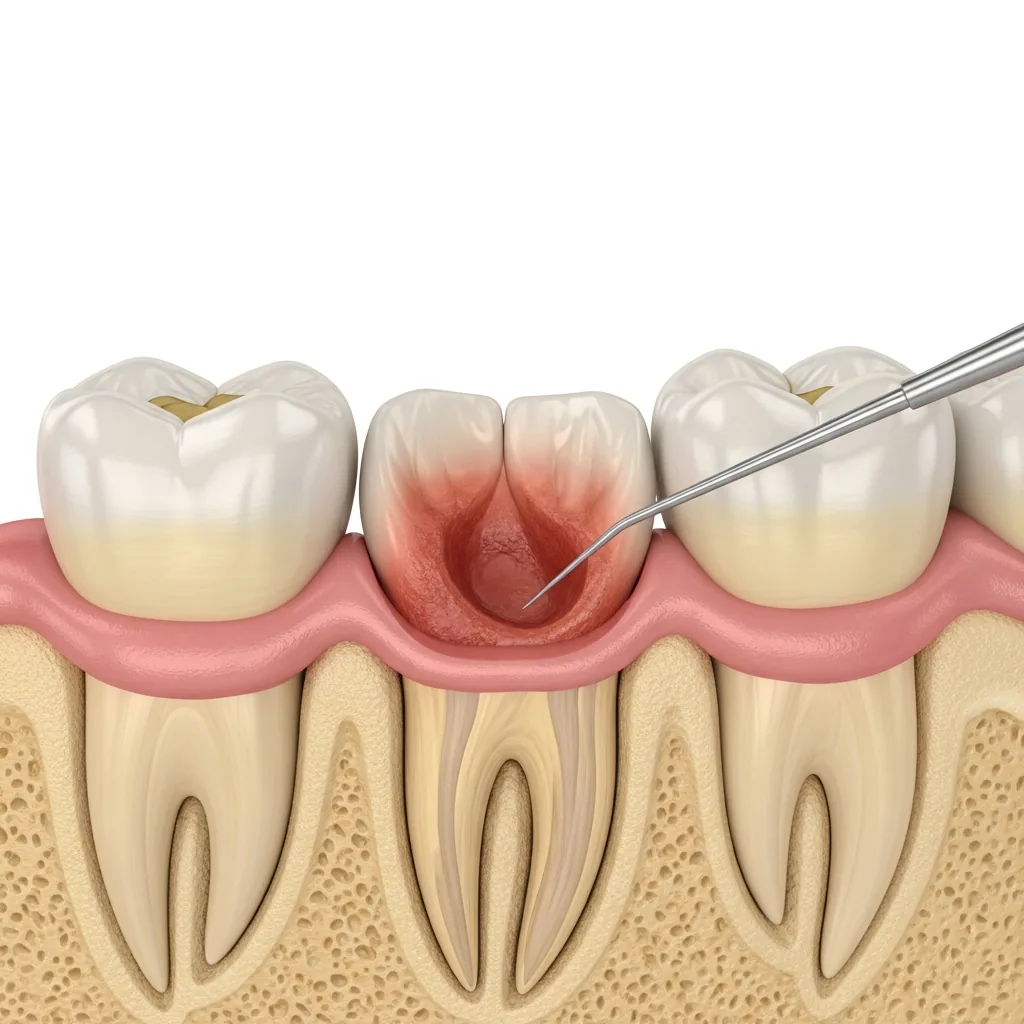
Periodontal diseases usually progress without pain and are often only noticed at a late stage. Left untreated, they lead to the loss of teeth. The modern techniques of periodontology make effective treatment of periodontitis and gingivitis possible. Periodontitis is an inflammatory disease of the periodontium caused by bacteria that collect between the tooth and the gum.
After a thorough diagnosis and advice on oral hygiene, the therapy begins: gum pockets and root surfaces are cleaned thoroughly under local anaesthesia. Ultrasound removes tartar and plaque effectively and with little pain. Healthy tooth structure is preserved because we reduce the mechanical cleaning of the root surfaces to a minimum.
More recent research shows that chronic periodontitis increases the risk of heart attack and stroke; in pregnant women the risk of premature birth also rises. Recognising periodontal disease in good time therefore has a particularly important preventive significance.
Preserving tissue with periodontal therapy
Systematic periodontal treatment starts with a thorough examination to record the findings. After the findings have been recorded (Periodontal Screening Index, PSI) we draw up an individual treatment plan. The PSI examination is painless and takes only a few minutes.
As part of professional tooth cleaning we remove pathological deposits, clean the gum pockets and allow the gum to reattach to the healthy tooth. Hard deposits deep below the gum are removed and the roots are smoothed. Tissue-preserving, minimally invasive methods allow us to clean deeper pockets as well and to preserve tissue.
Minimally invasive surgical procedures
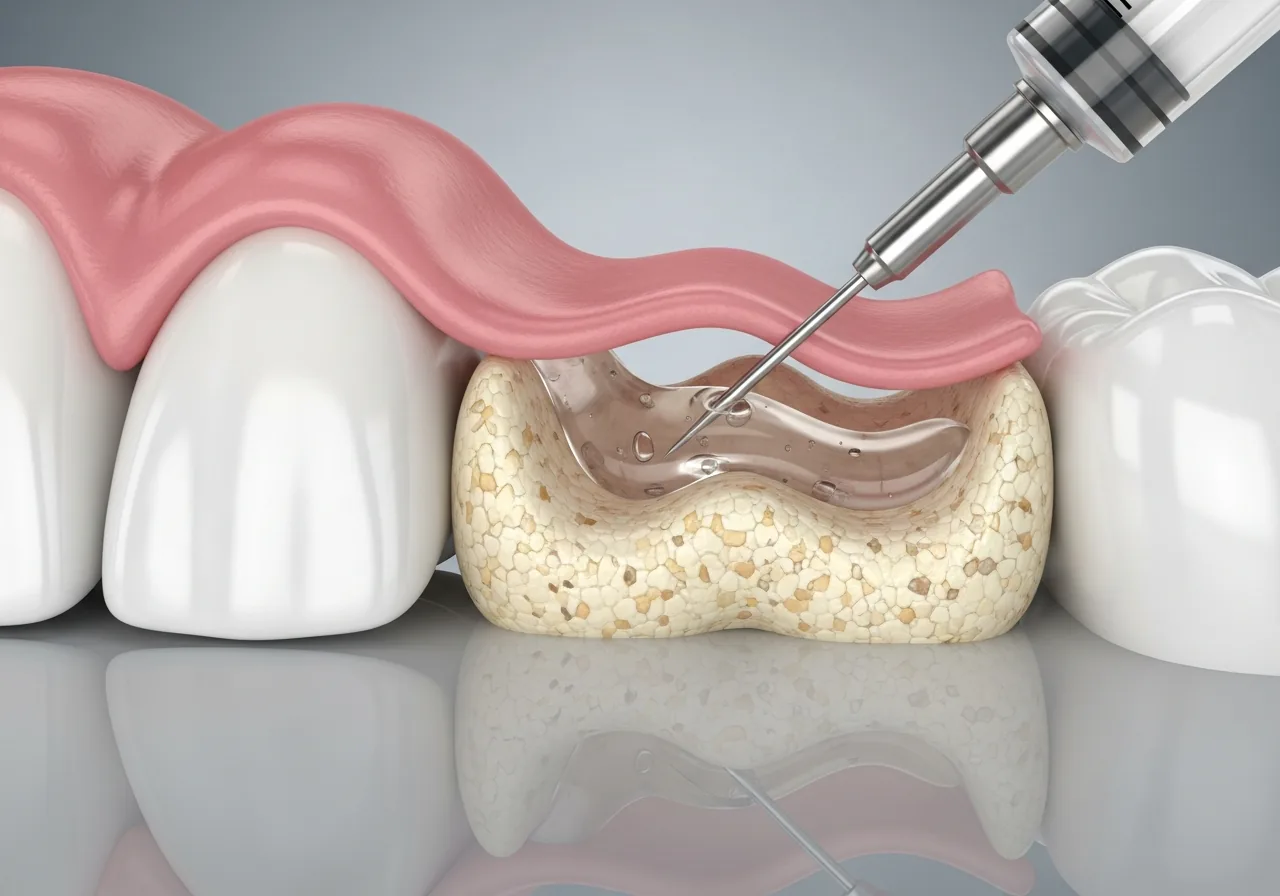
Minimally invasive surgical procedures are at the heart of contemporary periodontal surgery. We use them when deep gum pockets remain after all conservative methods have been applied.
Root smoothing and curettage as well as the removal of bacterial niches and of deep gum and bone pockets are carried out under direct view. We remove inflamed tissue as gently as possible.
Do your gums bleed when you brush?
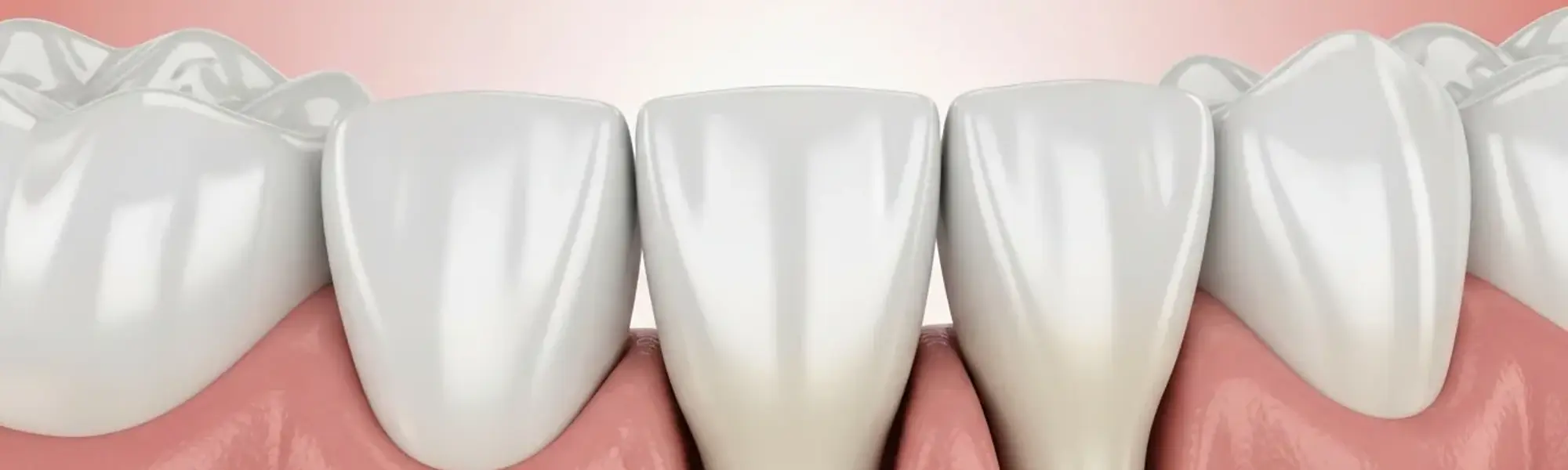
That is an early warning sign. Have your periodontium examined before bone is lost.
Aesthetic gum correction
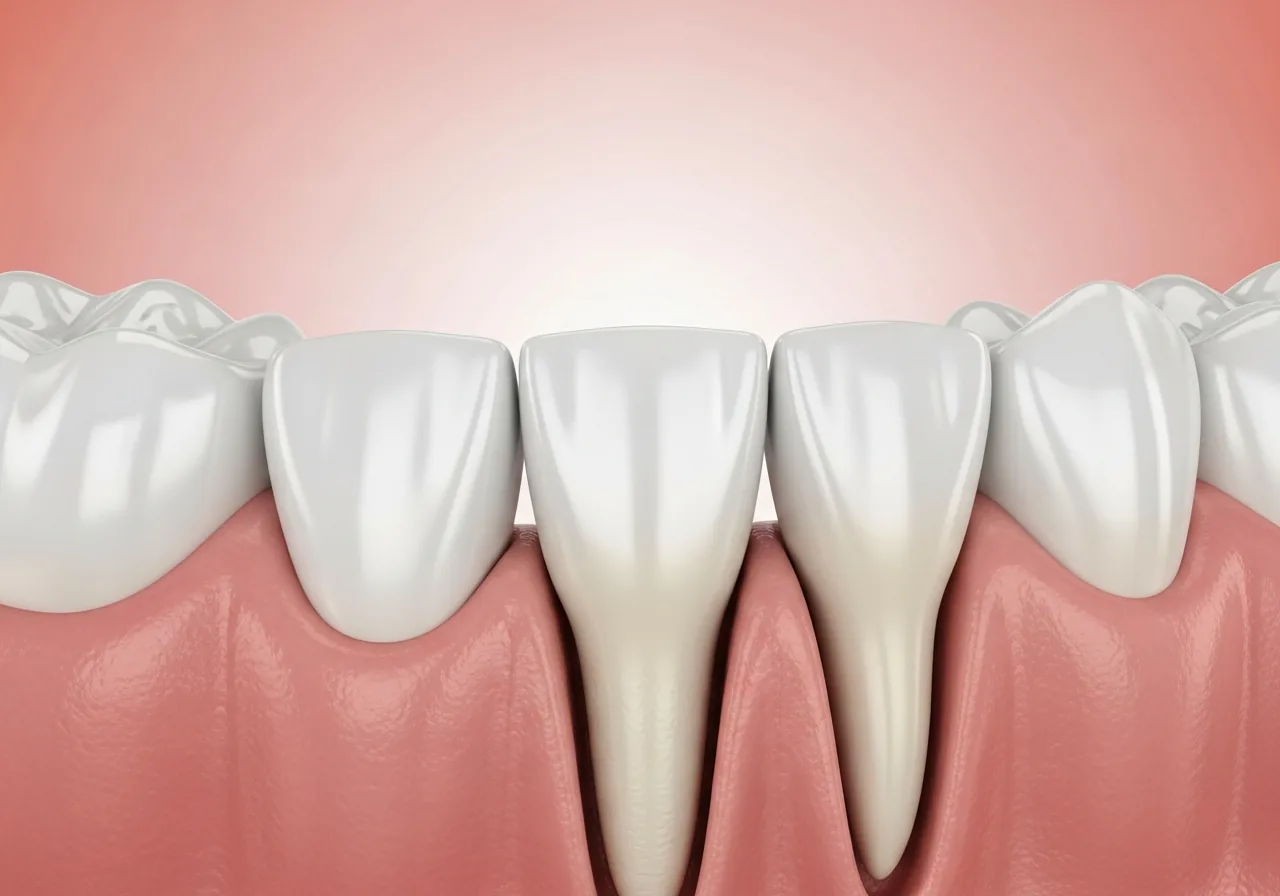
Receding gums can also cause pain through exposed tooth necks and hypersensitivity: exposed roots react sensitively to cold and heat.
The loss of gum tissue can often be treated with a surgical procedure (recession coverage). Before new tissue is built up we treat existing inflammation with appropriate prophylactic measures. The aim is to cover the root surface as completely as possible.
Promoting bone regeneration
Human bone has the ability to rebuild missing bone by itself. In most cases it needs support to do so: bone replacement materials can promote the body's own regeneration processes.
In the case of larger defects we promote the formation of new bone with guided tissue regeneration (GTR). In this procedure the patient's own bone or bone replacement material is introduced into the bone pocket during a surgical procedure. Over time the body breaks down the foreign material and replaces it with the body's own bone.
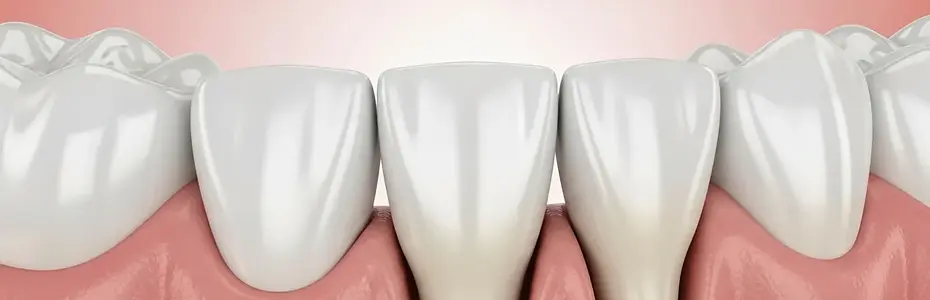
Enamel matrix proteins in surgical periodontal therapy
With enamel matrix proteins, a regenerative treatment method has entered periodontology with the help of which a periodontium that had previously been lost through periodontitis can be formed anew.
Enamel matrix proteins enable the body to restore the natural periodontium consisting of root cementum, fibre bundles and bone.
The most important facts at a glance
- Periodontitis is a bacterial inflammation of the periodontium; it usually runs its course without pain and is often noticed late.
- At the beginning there is an examination using the Periodontal Screening Index (PSI) and advice on oral hygiene.
- Gum pockets and root surfaces are cleaned under local anaesthetic; tartar and plaque are loosened with ultrasound.
- If deep pockets remain, minimally invasive surgical procedures are used; lost tissue can in part be regenerated with bone replacement material or enamel matrix proteins.
- Chronic periodontitis is associated with an increased risk of heart attack and stroke, and in pregnant women additionally with premature birth.