

Dentures made of zirconium oxide are completely metal-free
The allergenic properties of many materials used in dentistry have been examined in countless studies. Intolerance to a denture can manifest itself in a wide variety of symptoms - from allergies to tension and headaches through to difficulty concentrating.
Modern anti-allergic materials promise help. For years, metal-free ceramics such as zirconium oxide have been the material of choice in many areas of prosthetics in our practice for long-lasting, aesthetically demanding restorations. The metal-free teeth impress with their natural appearance.
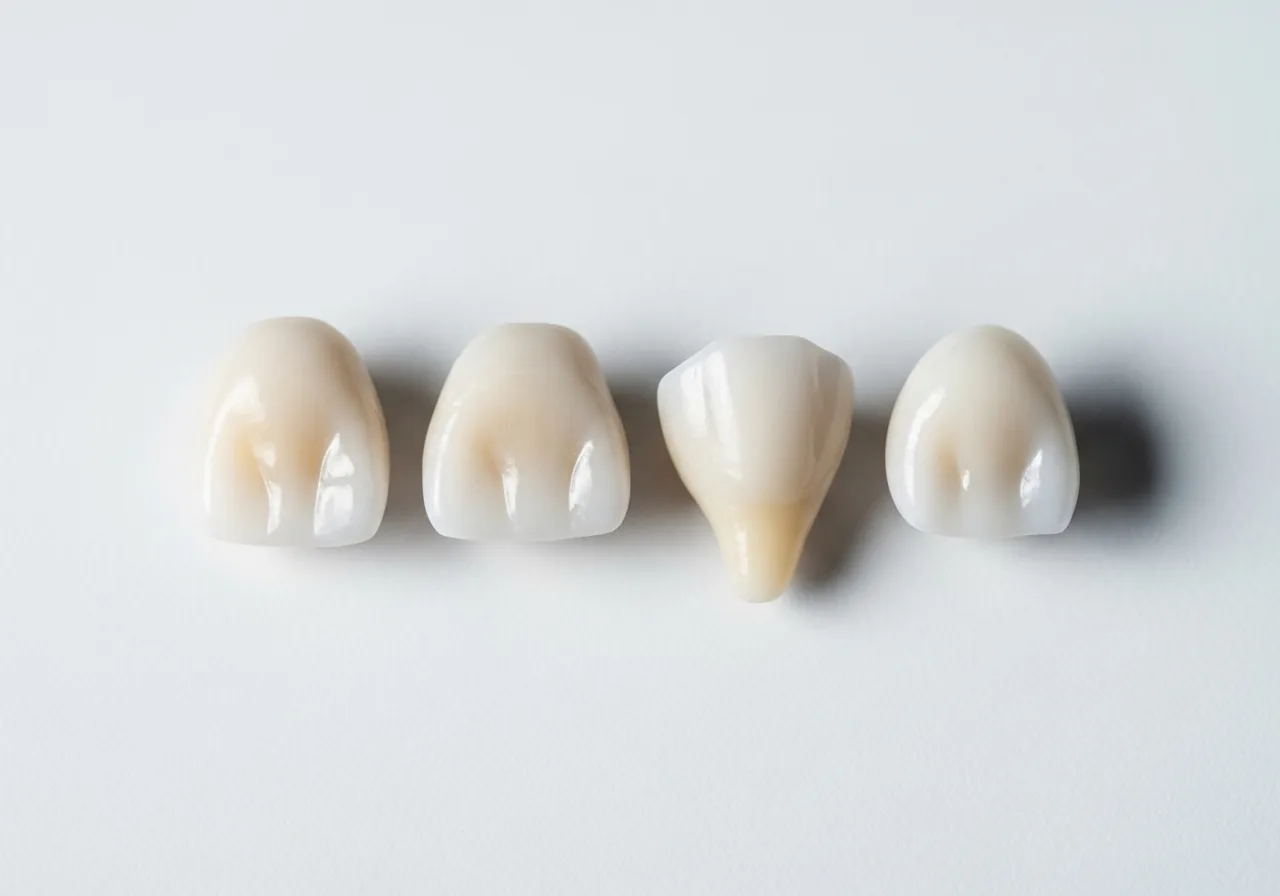
Advantages of modern, metal-free ceramics
Ceramic …
- comes closest to natural teeth in structure, colour and translucency,
- is characterised by high fracture resistance and good tolerability,
- is highly translucent and therefore extremely natural in appearance,
- has very good biocompatibility,
- is therefore also suitable for larger bridges in the posterior region,
- prevents the appearance of black crown margins,
- is anti-allergic.
The key facts at a glance
- Zirconium oxide is an all-ceramic, completely metal-free material for crowns, bridges and implant abutments.
- Ceramic comes very close to natural teeth in structure, colour and translucency.
- It is fracture-resistant and well tolerated and is therefore also suitable for larger bridges in the posterior region.
- Metal-free dentures avoid dark crown margins at the gum.
- For people with intolerances to dental alloys, ceramic is an anti-allergic alternative.
Frequently Asked Questions
Is there dental restoration entirely without metal?
Yes. All-ceramic materials such as zirconium oxide manage completely without metal and have been used at our practice for crowns and bridges for years.
What is zirconium oxide?
A very strong, white ceramic material. It is well tolerated, translucent like natural tooth enamel and stable enough even for bridges in the molar region.
Can you see the difference from real teeth?
Ceramic is very similar to natural teeth in colour, structure and translucency. Together with the individual shade determination, the difference is hardly noticeable in everyday life.
Is ceramic suitable for people with allergies?
Ceramic is considered antiallergenic and very well tolerated by the body. If you know of intolerances to dental metals, please tell us before the planning stage.
Do ceramic crowns leave dark edges at the gum line?
Metal-free crowns avoid precisely this effect: the dark edge is caused by the metal framework of conventional crowns, which all-ceramic restorations do not have.